Edmonton Entrepreneur Wants to Change How Local Deliveries Are Matched with Available Drivers
An Edmonton founder is rethinking local delivery with a real-time matching platform that pairs parcels with drivers already on the road — starting in Alberta and scaling worldwide.
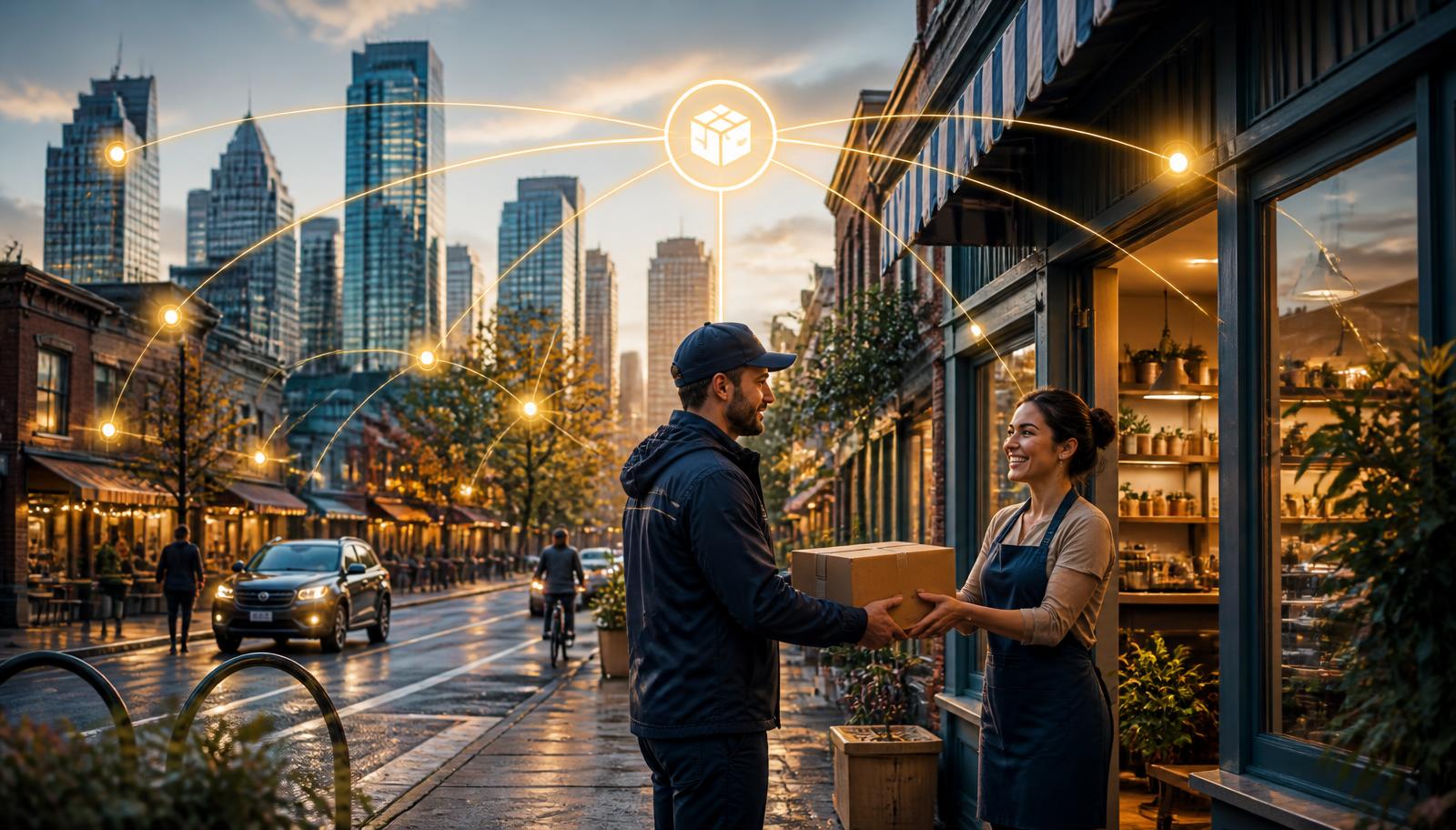
In most cities, delivery works the same way it has for decades. A company owns a fleet, hires drivers on fixed shifts, and routes packages through a central warehouse. When demand spikes, prices climb. When a driver is idle, the cost is still passed on to the customer. It is a rigid system in a world that is anything but rigid.
An Edmonton-based entrepreneur believes there is a better way. Instead of building another fleet, he is building a matchmaker — a platform that connects parcels with drivers who are already on the road. The result could reshape how local deliveries happen not just in Edmonton, but in cities around the world.
The problem: empty seats and empty miles
Every day, thousands of vehicles move through Edmonton. Commuters drive to work. Parents drop children at school. Rideshare drivers cruise between fares. Delivery trucks return with empty space. All of that movement represents capacity that is going to waste.
At the same time, local businesses, online sellers, and everyday residents struggle to get packages delivered quickly and affordably. The existing system treats these two groups separately: drivers work for one company, while senders wait for whoever is available. The entrepreneur behind LogiX Canada asked a simple question — what if the same vehicle could do both?
The idea: real-time matching, not fixed fleets
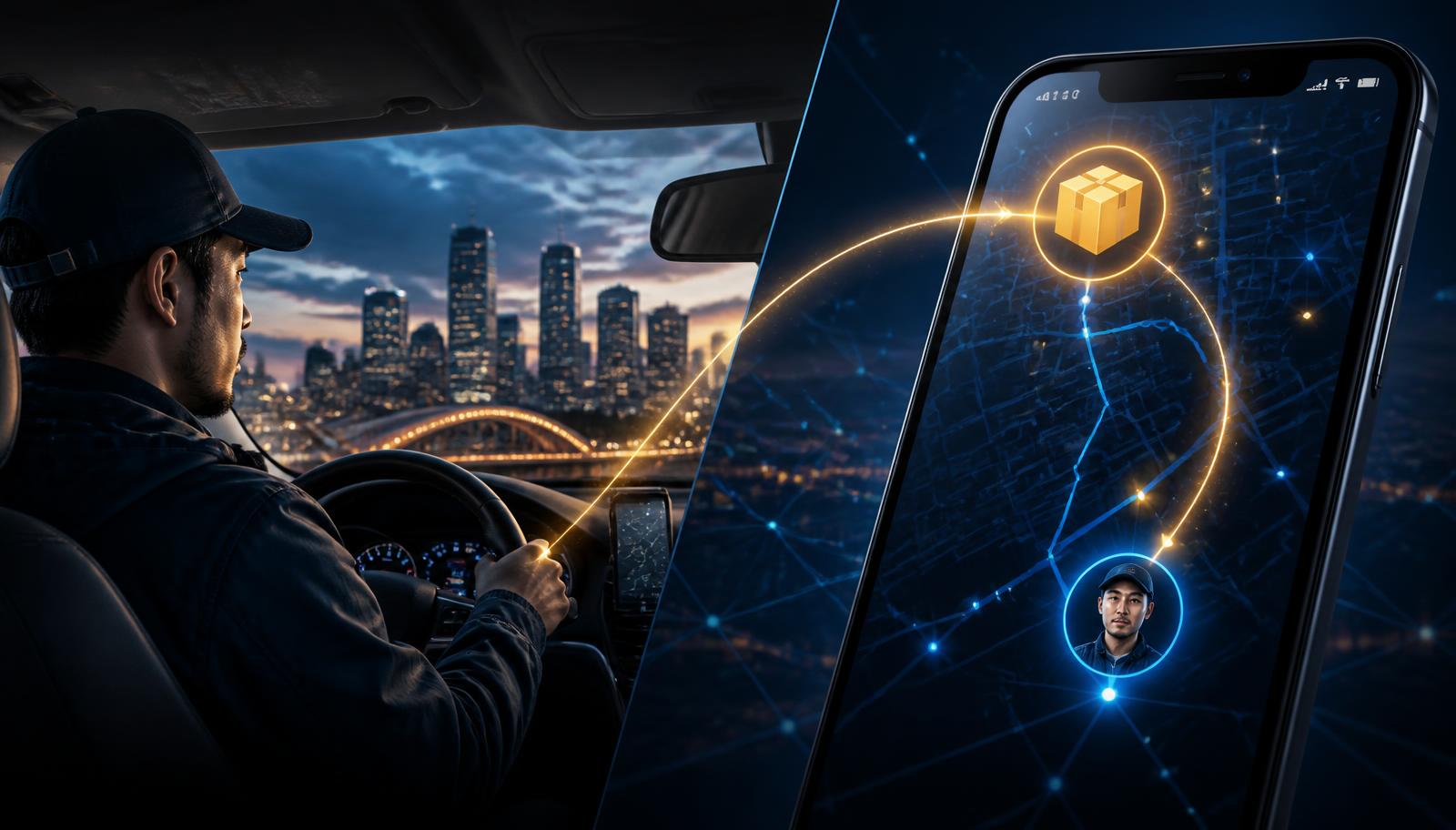
The platform works like a marketplace for movement. A sender posts a parcel and says where it needs to go. Drivers and travellers heading in that direction see the request and choose whether to accept it. An algorithm matches based on route, timing, vehicle size, driver rating, and historical reliability.
Unlike traditional dispatch, this matching happens in real time. A driver already crossing the city can pick up a parcel on the way. A student heading home for the weekend can carry a package along the same route. The delivery system becomes flexible, elastic, and far more efficient.
Built for drivers as much as senders
The platform is not just about faster deliveries. It is also about giving drivers control. They choose which trips to accept, set their own schedules, and earn income on journeys they were already making. There are no forced shifts, no penalties for declining work, and no dependence on a single employer.
For senders, the benefit is speed and reach. Parcels can be picked up within minutes instead of hours. Suburban and rural areas that big couriers often ignore become serviceable because the network is made of people already going there.
From Edmonton to everywhere
The founder started with Edmonton because the city's spread-out geography and harsh winters make delivery harder — and more expensive — than it should be. If the model works here, it can work almost anywhere.
Today, the same matching technology powers LogiX operations across Canada, the United States, the United Kingdom, and Nigeria. But the vision began in Alberta: a local entrepreneur, watching empty cars and delayed deliveries, deciding that the future of logistics would not be built on more trucks. It would be built on better matches.